Cleaning a Small Office on a Schedule: What to Agree On First
Five decisions in the first conversation save a lot of back and forth later.
October 16, 2026 · 3 min read
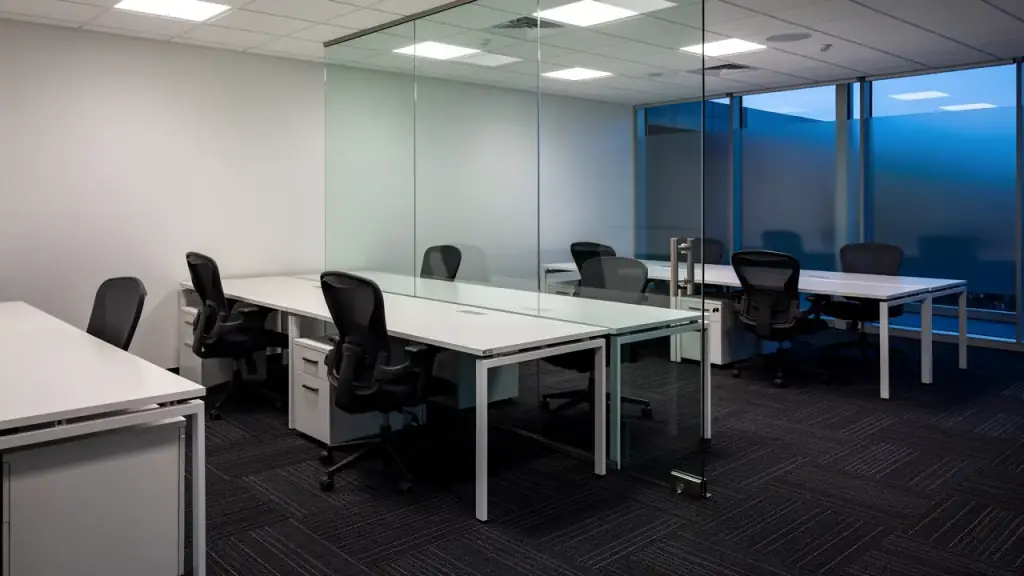
A small office doesn't need a complicated cleaning plan. It needs a clear one. Most problems with regular cleaning come from things nobody said out loud at the start, such as which areas count, how often, and who decides when something changes. If you're thinking about setting up a recurring service for your business, here's what to sort out in the free consultation.
Start by asking for the consultation
For businesses looking to have regularly scheduled cleaning, the first step is a request for a free consultation and estimate. Use it. It's a chance to walk the space, point at what matters to you and hear honest questions back. A cleaner who skips that step is guessing.
1. Frequency
Decide how often, but base it on how the space is used, not on a habit. A reception area that people walk through all day tells a different story than a back office with two desks. Some areas need attention every visit, and some are fine on a longer cycle. Pick a starting frequency, plan to review it after a month or two, and be willing to change it. A schedule is a starting guess that gets better with feedback.
2. Which areas are in
Write the list. Offices tend to have the obvious areas, like the main floor, the restroom and the break room, and the forgotten ones: the supply closet, the entry glass, a conference room used once a week. If it's not on the list, assume it's not getting cleaned. If it is on the list, make sure it's something that can actually be reached, which means clear desks and no piles on the floor.
3. What gets rotated
Not everything needs doing every visit. Fans, light fixtures, light covers and baseboards are the kind of detail work that is better handled in a rotation across repeated appointments than squeezed into every single one. The same idea works in an office. Pick a handful of detail items and agree on a cycle for them, such as vents one visit, baseboards the next, the tops of shelves after that. The result is a space where nothing builds up and no visit runs long.
4. How you'll know what was done
Ask for a record. My invoices provide a detailed outline of what was cleaned at each appointment, so you can track areas that may need more frequent cleaning. For an office, that record is practical. If the break room needs more attention than the plan gave it, the invoices will show you before the complaints do. And if you manage the space on behalf of a landlord or an owner, a written record answers questions you'd otherwise have to answer from memory.
5. How to change the plan
Agree on how adjustments happen. Who gets the call or the email when you want to add something? What if you're having an event, or a pipe leak, or a busy week? Offices change faster than houses do. A plan with an easy way to adjust it will outlast one that doesn't.
One small habit helps more than any contract wording: keep a short running note of anything that bothers you between visits. A smudged glass door on Wednesday, a restroom that needed more on Thursday. Bring that list to the next conversation. It's far easier to adjust a plan from specifics than from a general feeling that things could be better.
What to bring to the conversation
- A rough sense of the square footage and number of rooms
- The areas you care about most, and the ones that have been a problem
- Any surfaces or equipment that need special handling
- A realistic idea of how many people use the space on a normal day
That's enough to get a useful estimate. You don't need a spreadsheet.
What a good setup feels like
It feels uneventful. Nobody mentions the cleaning because nothing is wrong. The space looks the same on Friday as it did on Monday, and the small things, like the corners, the vents and the glass by the door, don't drift. That's the standard I hold myself to. Before I started this business I was an emergency room, trauma, critical care and Navy nurse, and the habit of checking the details, even when nobody's watching, came with me.
If you'd like to talk it through, send a request through the contact page and ask for a free consultation. Business cleaning here is thoughtful and tailored, not transactional, which means the first conversation is about your space, not a rate card.
Critical Care Cleaning, (423) 596-7632
Call (423) 596-7632